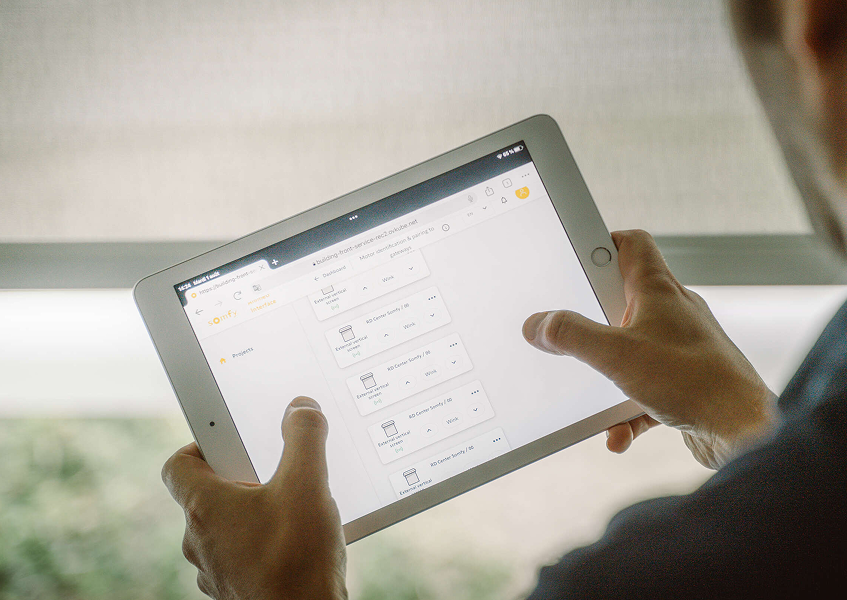
Napędy Somfy
Precyzyjne napędy zasilają każdą osłonę przeciwsłoneczną: roletę zewnętrzną, żaluzję fasadową czy screen ZIP, zapewniając cichą i zsynchronizowaną pracę dla większego komfortu i efektywności energetycznej.
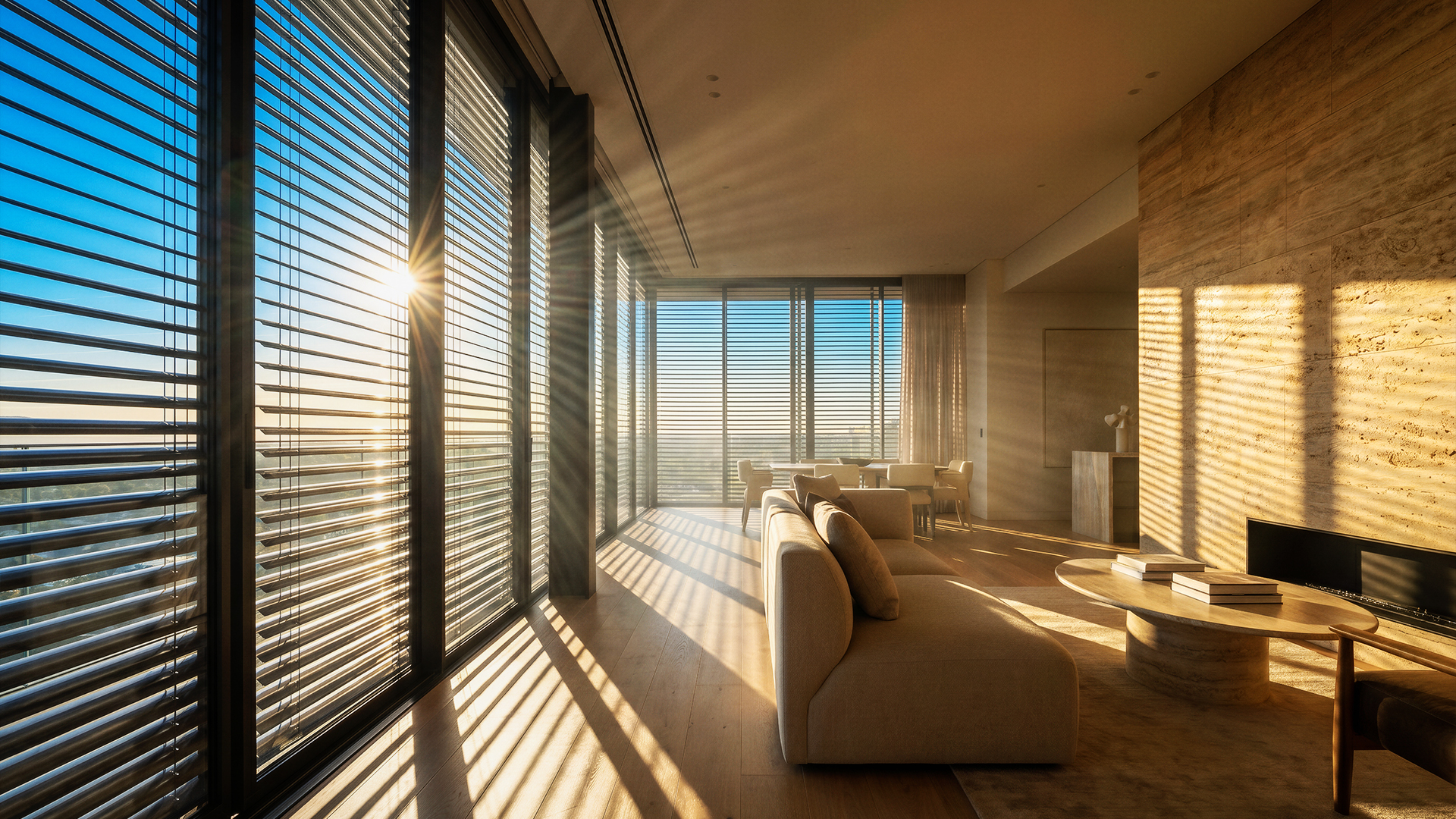
Popraw efektywność energetyczną dzięki inteligentnemu systemowi Dynamic Shading
Dynamic Shading to zautomatyzowane rozwiązanie w zakresie osłon przeciwsłonecznych, które optymalizuje wydajność energetyczną budynku, komfort termiczny oraz dostęp do naturalnego światła. Poprzez inteligentne sterowanie roletami zewnętrznymi, żaluzjami fasadowymi, czy screenami typu ZIP, system reaguje w czasie rzeczywistym na światło słoneczne, temperaturę i warunki pogodowe.
Rezultatem jest mniejsze zapotrzebowanie na chłodzenie i ogrzewanie, obniżenie kosztów energii, poprawa komfortu użytkowników oraz tworzenie inteligentniejszych, bardziej zrównoważonych budynków, które spełniają współczesne standardy efektywności energetycznej.
Dynamic Shading dostosowuje się do Twojego budynku. Wykorzystując automatykę budynkową, inteligentnie steruje zewnętrznymi i wewnętrznymi osłonami przeciwsłonecznymi, w tym roletami, żaluzjami zewnętrznymi i wewnętrznymi oraz zasłonami.
Połączony z czujnikami monitorującymi nasłonecznienie, temperaturę, wiatr i obecność, system stale optymalizuje efektywność energetyczną, dostęp do światła dziennego i komfort termiczny.
Zarządcy obiektów mogą definiować ustawienia dla całego budynku, podczas gdy użytkownicy mogą tymczasowo dostosować osłony do swoich indywidualnych potrzeb.
Dzięki inteligentnemu zarządzaniu fasadą budynku, Somfy Dynamic Shading zmniejsza zużycie energii, poprawia dobrostan użytkowników i wspiera funkcjonowanie zrównoważonych budynków.
Precyzyjne napędy zasilają każdą osłonę przeciwsłoneczną: roletę zewnętrzną, żaluzję fasadową czy screen ZIP, zapewniając cichą i zsynchronizowaną pracę dla większego komfortu i efektywności energetycznej.
System Automatyki Budynkowej Somfy stale analizuje dane z czujników i automatycznie optymalizuje osłony fasadowe w odpowiedzi na zmieniające się warunki środowiskowe. Zmniejsza to zyski ciepła słonecznego, zwiększa komfort użytkowników i poprawia ogólną wydajność energetyczną budynku. Bez inteligentnej automatyki osłony z napędem nie są w stanie w pełni wykorzystać swojego potencjału operacyjnego i oszczędnościowego.
Czujniki środowiskowe stale monitorują natężenie promieniowania słonecznego, pozycję słońca, temperaturę zewnętrzną i prędkość wiatru, podczas gdy dane dotyczące obecności i harmonogramów mogą być integrowane z Systemem Zarządzania Budynkiem (BMS). Te dane w czasie rzeczywistym umożliwiają precyzyjne, automatyczne sterowanie osłonami w celu optymalizacji wydajności budynku.
Dlaczego automatyzacja ma znaczenieAutomatyzacja nie jest funkcją opcjonalną – jest warunkiem koniecznym do uzyskania pełnych korzyści w zakresie wydajności energetycznej, uznawanych przez metodologię ESBO. Bez automatycznego sterowania osłony z napędem elektrycznym są oceniane w taki sam sposób jak systemy sterowane ręcznie, co ogranicza ich wkład w efektywność energetyczną budynku.
*Wypełnij formularz, aby otrzymać link do pobrania e-mailem.
Niezależnie od tego, czy chodzi o nowy budynek, czy o renowację, uwzględnienie efektywnego wykorzystania światła dziennego jest kluczowe przy realizacji projektów komercyjnych. Istnieją podstawowe wymagania i wyzwania, którymi należy się zająć, a zarządzanie światłem dziennym odgrywa rolę w każdym z nich:
Poprawa funkcjonowania i pamięci u pracowników mających dostęp do dobrej jakości światła dziennego. (Źródło: Heschong, 2003)
Source: Heschong, 2003.
Wzrost produktywności w optymalnie oświetlonych i komfortowych termicznie miejscach pracy. (Źródło: Loftness, 2003)
Source: Loftness, 2003.
Ograniczenie absencji w ekologicznych, komfortowych środowiskach biurowych.
Source: Thayer, 1995.
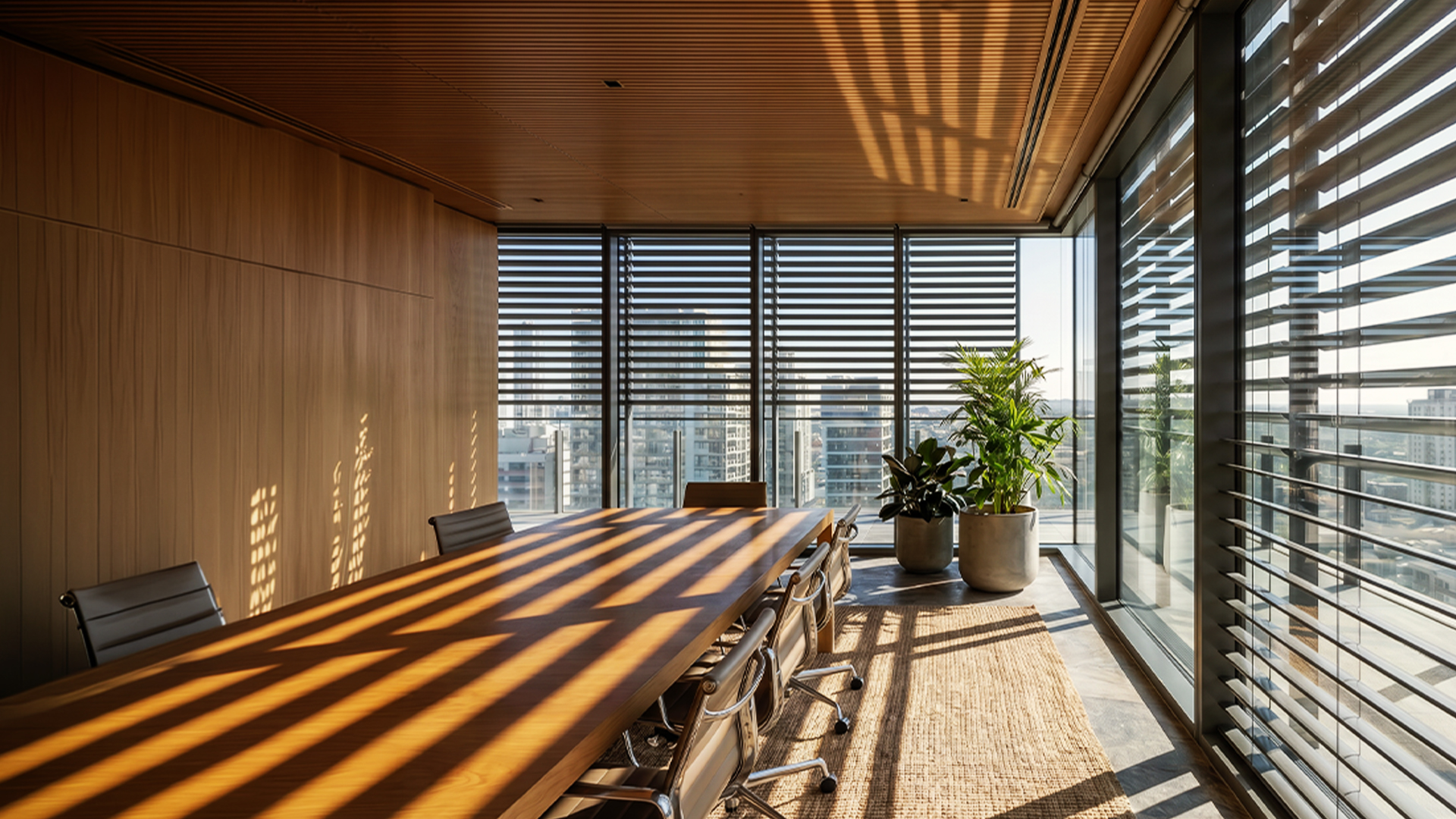
Ograniczenie absencji w ekologicznych, komfortowych środowiskach biurowych. (Źródło: Thayer, 1995) Ludzie spędzają około 90% czasu w pomieszczeniach, co sprawia, że jakość środowiska wewnętrznego ma kluczowe znaczenie dla zdrowia, dobrego samopoczucia i produktywności. Somfy Dynamic Shading optymalizuje dostęp do światła dziennego, redukuje olśnienie i zapotrzebowanie na chłodzenie, jednocześnie utrzymując komfort termiczny dzięki inteligentnej automatyzacji. Cicha praca i możliwość indywidualnego sterowania przez użytkownika zapewniają doskonałe wrażenia.
Posiadanie inteligentnego, sterowanego systemu osłon słonecznych pomaga więc stworzyć lepsze środowisko wewnętrzne dla dobrego samopoczucia i komfortu użytkowników budynku, co pozytywnie wpływa na ich dobrostan i wydajność. Znacząco przyczynia się również do zarządzania energią w budynku poprzez:
Generowanie oszczędności energii na chłodzenie i ogrzewanie
Wspieranie spójniejszego, zdrowszego środowiska wewnętrznego poprzez lepszy komfort wizualny, komfort termiczny oraz dostęp do naturalnego światła dziennego.
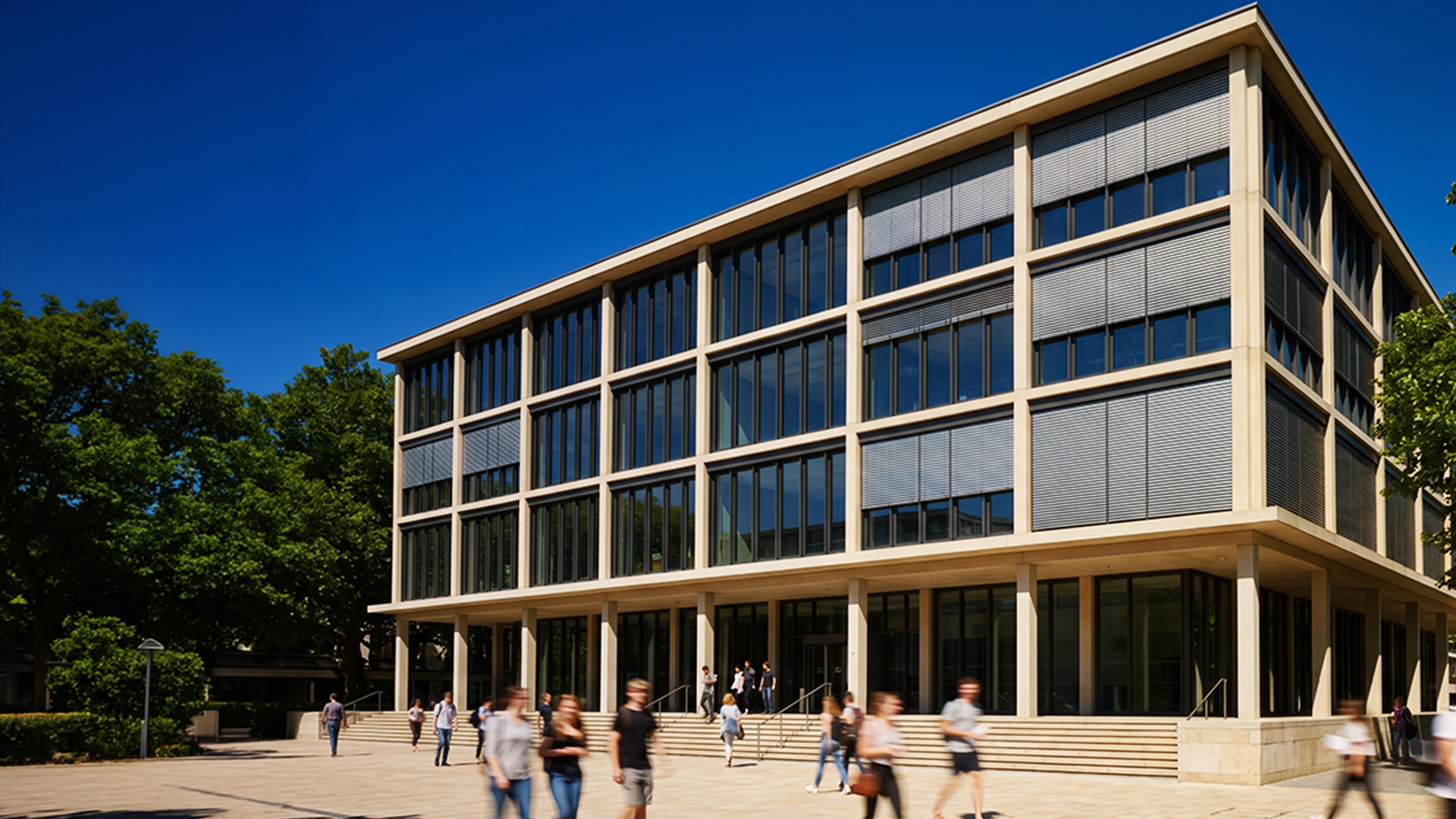
Dynamic Shading znacznie zmniejsza zapotrzebowanie na ogrzewanie i chłodzenie, automatycznie dostosowując się do warunków sezonowych. Latem ogranicza zyski ciepła słonecznego, aby zmniejszyć obciążenie chłodnicze. Zimą maksymalizuje pasywne zyski słoneczne i minimalizuje straty ciepła, poprawiając ogólną wydajność energetyczną budynku.
Oprócz oszczędności energii, Dynamic Shading wspiera wyższą wartość aktywów, poprawia wyniki ESG i pomaga tworzyć bardziej atrakcyjne, gotowe na wyzwania przyszłości budynki dla inwestorów, najemców i użytkowników.
Dwie trzecie całkowitego zużycia energii w budynku komercyjnym przeznaczane jest na ogrzewanie, wentylację i klimatyzację (HVAC). Dynamic Shading uderza w to źródło bezpośrednio.
Redukcja zużycia energii możliwa do osiągnięcia w budynkach stosujących dynamiczne osłony i zasady zielonego projektowania. (Źródło: UNEP, 2012)
Source: UNEP, 2012.
Wzrost wartości aktywów w przypadku budynków z zielonymi certyfikatami. Inwestorzy instytucjonalni i najemcy korporacyjni coraz częściej wymagają takiej dokumentacji. (Źródło: American Economic Review, 2009)
Source: American Economic Review, 2009.

Somfy dba o to, aby wszystkie produkty spełniały wymagania ekoprojektu w całym cyklu ich życia – od pozyskania surowców po utylizację. Działamy na rzecz lepszego jutra, zmniejszając nasz wpływ na środowisko, aby lepiej chronić naszą planetę i stawić czoła kryzysowi klimatycznemu. Nasze rozwiązania są dostępne dla wszystkich, poprawiają wydajność energetyczną budynków i przyczyniają się do dobrego samopoczucia ich mieszkańców.
Sektor budowlany odpowiada za szacunkowo 38% wszystkich rocznych emisji gazów cieplarnianych związanych z energią. (Źródło: Global Alliance for Building and Construction, 2021) *
Source: Global Alliance for Building and Construction, 2021.
Alliance for Building and Construction, 2021) * Potencjał redukcji emisji: Budynki stosujące dynamiczne osłony i ekologiczne projektowanie mogą osiągnąć redukcję emisji dwutlenku węgla nawet o 35%. (Źródło: UNEP, 2012) *
Source: UNEP, 2012.
Dynamic Shading to udokumentowana strategia osiągania zgodności ze standardami nZEB w ramach znowelizowanej dyrektywy EPBD na wszystkich rynkach Europy Środkowo-Wschodniej (CEE) oraz droga do klasyfikacji ZEB od 2028 roku.
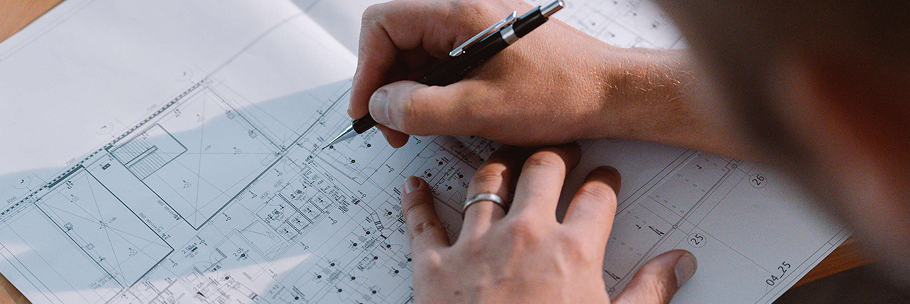
Oferujemy eksperckie wsparcie w procesie projektowania i specyfikacji, pomagając zespołom projektowym wybrać najskuteczniejszą strategię sterowania osłonami przeciwsłonecznymi w budynkach komercyjnych. Od koncepcji po przekazanie budynku do użytku i na późniejszych etapach, Somfy zapewnia kompleksowe wsparcie, aby dynamiczne systemy osłonowe osiągały swoje cele w zakresie wydajności, komfortu i efektywności energetycznej.
Nasza oferta usług obejmuje każdą fazę cyklu życia rozwiązania. Nasze lokalne zespoły wsparcia odgrywają kluczowe role na poszczególnych etapach:
Głównymi czynnikami w budynkach biurowych są: eliminacja olśnienia przy pracy przed ekranem komputerów, stabilność termiczna w pobliżu przeszklonych fasad oraz certyfikacja klasy energetycznej. Rozwiązania Somfy sterują roletami zewnętrznymi i żaluzjami fasadowymi na wszystkich elewacjach jednocześnie, bez konieczności ingerencji ze strony użytkowników. Ponadto wewnętrzne osłony z napędem elektrycznym uzupełniają systemy fasadowe, precyzyjnie regulując światło dzienne na poziomie stanowisk pracy, co poprawia komfort wizualny i zmniejsza zależność od sztucznego oświetlenia. Oprócz wydajności, rozwiązania te przyczyniają się do czystej, nowoczesnej estetyki wnętrz, zgodnej ze współczesnymi standardami projektowania biur.
W budynkach wielorodzinnych i wysokościowych Somfy zarządza roletami zewnętrznymi i screenami ZIP we wszystkich lokalach z poziomu jednej platformy. Protokół bezprzewodowy io-homecontrol® jest szczególnie dobrze przystosowany do projektów mieszkaniowych, gdzie okablowanie między piętrami bywa ograniczone. Wewnątrz mieszkań zmotoryzowane rolety i zasłony wewnętrzne zwiększają komfort, prywatność i spójność projektową. Mieszkańcy korzystają z intuicyjnej kontroli światła naturalnego, zachowując jednocześnie spójną strategię energetyczną dla całego budynku. Połączenie ochrony zewnętrznej i wyrafinowanego wykończenia wnętrz podnosi zarówno funkcjonalność, jak i postrzeganą jakość życia.
Hotele wymagają zarządzania fasadą w dużej liczbie pokoi gościnnych, sal konferencyjnych i przestrzeni publicznych, bez polegania na zachowaniu poszczególnych gości. Somfy automatyzuje pracę rolet zewnętrznych i screenów ZIP bezgłośnie na wszystkich elewacjach, dbając o komfort gości przez cały dzień. Centralne zarządzanie pozwala na stosowanie różnych strategii dla pokoi zajętych i wolnych, co przyczyni się do wymiernych oszczędności energii w skali roku. Jednocześnie wewnętrzne rolety i zasłony z napędem odgrywają kluczową rolę w poprawie komfortu gości. Zautomatyzowane osłony zintegrowane ze sterowaniem pokojowym pozwalają gościom łatwo personalizować poziom oświetlenia, tworzyć nastrój i poprawiać jakość snu. Cicha praca i płynny ruch dają poczucie luksusu, a dopasowane tkaniny i wykończenia wspierają ogólny koncept aranżacji wnętrz, wzmacniając tożsamość estetyczną i pozycjonowanie marki hotelu.
Warunki w klasach lekcyjnych bezpośrednio wpływają na wyniki w nauce. Dynamiczne osłony optymalizują światło dzienne, eliminując jednocześnie olśnienie, które utrudnia korzystanie z tablic interaktywnych i ekranów podczas lekcji. Somfy automatycznie steruje roletami zewnętrznymi i żaluzjami fasadowymi bez konieczności interwencji nauczyciela w trakcie zajęć. Uzupełniające osłony wewnętrzne zapewniają dodatkową kontrolę tam, o ile jest to potrzebne, umożliwiając elastyczne zarządzanie światłem dla różnych form nauczania, przy jednoczesnym zachowaniu spokojnego i wizualnie zrównoważonego środowiska lekcyjnego.
Placówki medyczne wymagają stabilnych warunków termicznych i wizualnych wspierających powrót pacjentów do zdrowia oraz pracę personelu medycznego. Napędy rurowe Somfy działają poniżej progu hałasu, który mógłby przeszkadzać na salach chorych, w gabinetach lekarskich czy na blokach operacyjnych. Rozwiązania automatyki Somfy utrzymują stałą wydajność fasady bez angażowania personelu medycznego. Wewnątrz, zmotoryzowane systemy rolet i zasłon przyczyniają się do komfortu pacjenta, prywatności i higieny, wspierając jednocześnie łagodną, budzącą poczucie bezpieczeństwa estetykę. Kontrolowane światło dzienne i zredukowane olśnienie tworzą przyjemniejsze otoczenie zarówno dla pacjentów, jak i personelu medycznego, wzmacniając dobre samopoczucie i efektywność operacyjną.
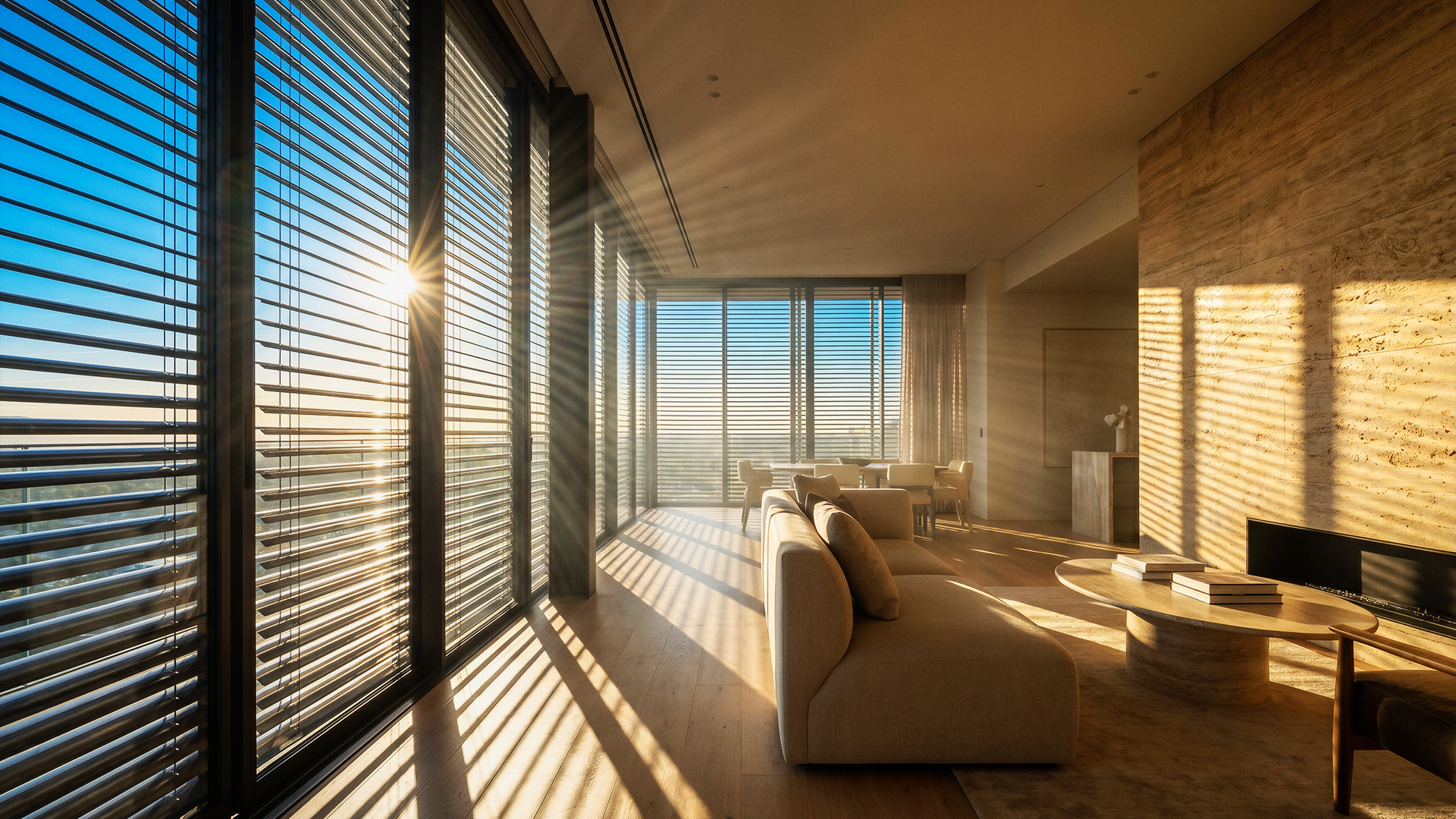
Zyski ciepła słonecznego przez przeszklenia są główną przyczyną przegrzewania się nowoczesnych budynków. Somfy Dynamic Shading redukuje ciepło słoneczne, zanim przedostanie się ono do wnętrza, obniżając zapotrzebowanie na chłodzenie przy zachowaniu komfortowych warunków wewnętrznych.
Zimą system maksymalizuje pasywne zyski ciepła słonecznego w ciągu dnia i minimalizuje straty ciepła przez otwory okienne po zachodzie słońca, zapewniając całoroczną wydajność termiczną dzięki inteligentnej automatyzacji.
Badania pokazują, że produktywność pracowników może spaść nawet o 6% w przegrzanych biurach i o 4% w zimnych środowiskach, co podkreśla znaczenie utrzymania optymalnych warunków wewnętrznych.
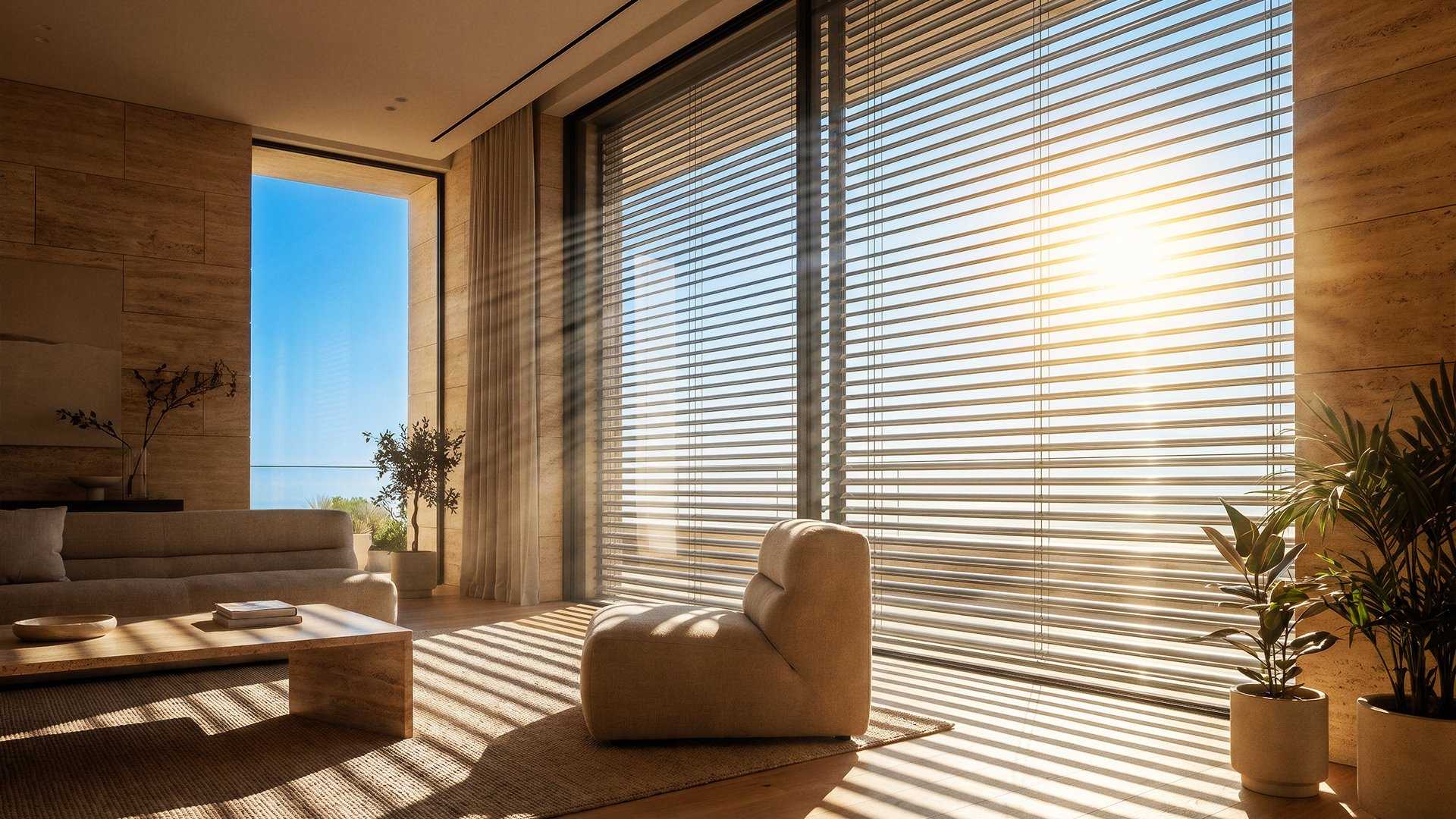
Naturalne światło dzienne poprawia samopoczucie i produktywność, ale niekontrolowane nasłonecznienie może powodować olśnienie, zmęczenie oczu oraz częstsze korzystanie ze sztucznego oświetlenia.
Somfy Dynamic Shading automatycznie dostosowuje osłony zewnętrzne w oparciu o pozycję słońca, maksymalizując dostęp do światła dziennego i zapobiegając bezpośredniemu nasłonecznieniu.
Kluczowe korzyści:
Dynamic Shading kontroluje olśnienie od bezpośredniego słońca, jednocześnie zachowując dostęp do światła dziennego i widok na zewnątrz – co stanowi rdzeń kryteriów dotyczących olśnienia i oświetlenia dziennego.
Odbijanie ciepła słonecznego przed szybą obniża zapotrzebowanie na chłodzenie oraz zużycie energii regulowanej, poprawiając modelowany wynik energetyczny i węglowy.
Zautomatyzowane osłony ograniczają letnie zyski ciepła słonecznego i wspierają spełnienie progów przegrzewania według norm CIBSE TM52/TM59.
Redukuje zyski ciepła radiacyjnego, wspierając wymagania ASHRAE 55 / EN 16798.
Dynamic Shading wpuszcza światło dzienne przy jednoczesnym tłumieniu olśnienia, wspierając cele w zakresie przestrzennej autonomii światła dziennego (sDA) bez prześwietlania wnętrz.
Mniejsze zyski ciepła słonecznego redukują obciążenia związane z chłodzeniem i oświetleniem, poprawiając modelowaną wydajność energetyczną w stosunku do linii bazowej.
Standard WELL Building Standard skupia się bezpośrednio na zdrowie i komforcie osób przebywających w budynku. Zautomatyzowane osłony Somfy stanowią udokumentowaną ścieżkę zgodności dla trzech kluczowych wymagań WELL (WELL features):
WELL Feature 56
Wymaga zarządzania olśnieniem w przypadku przeszkleń z bezpośrednim widokiem na słońce – poprzez sterowane przez użytkownika lub automatyczne/czasowe osłony wewnętrzne lub zewnętrzne bądź inne akceptowane środki.
WELL Feature 60
Bezpośrednio punktuje systemy automatyczne. Zautomatyzowany system sterowania osłonami przeciwsłonecznymi ze śledzeniem pozycji słońca (azymutu) jest udokumentowaną ścieżką zgodności dla obu tych kryteriów.
WELL Feature 62
Wymaga wykazania odpowiednich poziomów światła dziennego, przestrzennej autonomii światła dziennego na określonej minimalnej powierzchni regularnie zajmowanych przestrzeni. Dokumentacja symulacji światła dziennego ESBO generowana w ramach bezpłatnej specyfikacji Somfy dostarcza danych wymaganych do przedłożenia asesorowi.
ZIP screens on a fully glazed south facade cut solar gains and stabilised indoor temperature across four office floors.
Automated external venetian blinds keep the shopping galleries glare-free while daylight harvesting lowers lighting demand.
Lecture halls and laboratories share one animeo control system, balancing daylight with the strict glare limits of lab work.
Wind-resistant roller shutters protect 180 seaside apartments and give residents individual control from their own devices.
Guest rooms combine ZIP screens with quiet motors, so the river view stays open while cooling loads drop in summer.
A BREEAM Excellent refurbishment where dynamic shading is linked to the BMS and live weather data for automatic sun tracking.
Patient wards use zoned shading scenarios that hold a stable thermal comfort range without manual staff intervention.
Facade blinds on 22 storeys run on a single control strategy, reducing peak cooling demand by a double-digit share.
Reading rooms keep daylight autonomy high while screens protect the collection from direct sun and UV exposure.
Office wings of a distribution centre were retrofitted with external shading, improving summer comfort with no extra chillers.
A LEED Gold campus where automated shading works with the heating strategy to use free solar gains in the cold season.
Public reading areas and storage rooms run on separate shading scenarios, protecting archived documents from daylight.
No references match your search. Try a different phrase or country.
Nowe budynki będące własnością władz publicznych muszą spełniać standard budynku zeroemisyjnego (ZEB) od 2028 roku, a wymóg ten obejmie wszystkie nowe budynki od 2030 roku. Standard ZEB zastępuje dotychczasowe ramy budynków o niemal zerowym zużyciu energii (nZEB) jako minimalny wymóg wydajności dla nowego budownictwa w całej Unii Europejskiej.
Świadectwa charakterystyki energetycznej w coraz większym stopniu odzwierciedlają obliczeniową wydajność energetyczną budynku, w tym wpływ systemów i sterowania budynkiem. Automatyczne osłony dynamiczne mogą przyczynić się do zmniejszenia zapotrzebowania na chłodzenie i oświetlenie, wspierając uzyskanie lepszych ocen efektywności energetycznej, jeśli są uwzględnione w odpowiedniej krajowej metodologii oceny. W przeciwieństwie do nich, osłony z napędem bez automatycznego sterowania zazwyczaj przynoszą znacznie mniejsze mierzalne korzyści energetyczne.
Krajowe plany renowacji budynków (NBRPs) to strategiczne plany działania, za pomocą których państwa członkowskie UE przeprowadzą dekarbonizację swoich zasobów budowlanych i poprawią efektywność energetyczną do 2050 roku. Ponieważ programy renowacji coraz częściej koncentrują się na zmniejszaniu zapotrzebowania na energię operacyjną i osiąganiu wyższych standardów wydajności budynków, automatyczne osłony dynamiczne mogą wspierać te cele poprzez redukcję obciążeń chłodniczych, poprawę komfortu użytkowników i wkład w ogólną efektywność energetyczną budynku.
Roleta z napędem reaguje na ręczne polecenia – użytkownik naciska przycisk, aby ją podnieść lub opuścić. System dynamicznych osłon wykorzystuje inteligentne sterowanie i dane z czujników, aby automatycznie reagować na warunki środowiskowe w czasie rzeczywistym, takie jak pozycja słońca, natężenie promieniowania słonecznego, temperatura i wiatr. Działa on nieprzerwanie na całej fasadzie budynku w celu optymalizacji komfortu, ilości światła dziennego i wydajności energetycznej.
Ta różnica ma kluczowe znaczenie przy ocenie energetycznej. W metodologiach takich jak ESBO najwyższe korzyści energetyczne przypisuje się zautomatyzowanym systemom osłonowym ze zweryfikowanymi strategiami sterowania. Rolety z napędem bez automatyki zapewniają wygodę, ale ich wkład w wydajność energetyczną może być znacznie mniejszy niż w przypadku w pełni automatycznego rozwiązania dynamicznego.
Tak. Każda orientacja fasady jest konfigurowana niezależnie w oprogramowaniu Animeo przy użyciu własnych progów czujników i parametrów sterowania. Elewacje południowe i zachodnie zazwyczaj wymagają bardziej intensywnych harmonogramów zacieniania ze względu na wyższe promieniowanie słoneczne; elewacje północne mogą wymagać minimalnego osłaniania lub nie wymagać go wcale. Animeo zarządza wszystkimi orientacjami jednocześnie z poziomu jednej platformy.
Tak. Animeo integruje się natywnie z KNX oraz BACnet – najczęściej stosowanymi standardami BMS w budynkach komercyjnych w Europie Środkowo-Wschodniej (CEE). Integracja bezprzewodowa przy użyciu protokołu io-homecontrol® jest dostępna tam, gdzie okablowanie jest utrudnione lub niepraktyczne. Animeo może działać jako samodzielny system lub jako podsystem w ramach większego BMS.
Symulacje ESBO oparte na normie EN/ISO 52022-3 uwzględniają fakt, że ręcznie sterowane osłony przeciwsłoneczne rzadko działają z teoretycznie optymalną wydajnością, ponieważ zachowanie użytkowników jest ze swej natury zmienne. Zautomatyzowane systemy sterowania, takie jak Animeo, działają zgodnie ze zdefiniowaną strategią i dzięki temu mogą zapewnić wydajność bardzo bliską założeniom projektowym. W wielu ocenach energetycznych budynków przekłada się to na znacznie niższe zapotrzebowanie na chłodzenie i lepsze oceny charakterystyki energetycznej. W zależności od projektu fasady, specyfikacji przeszkleń i krajowej metodologii certyfikacji, poprawa ta może być znacząca.
Automatyczne osłony Somfy mogą przyczynić się do zdobycia punktów i spełnienia wymagań w ramach głównych systemów certyfikacji zielonych budynków, w tym BREEAM, LEED oraz WELL Building Standard. Typowe obszary wpływu obejmują: doświetlenie światłem dziennym, kontrolę olśnienia, komfort wizualny, komfort termiczny, optymalizację zużycia energii oraz dobre samopoczucie użytkowników. Konkretne punkty lub spełnione wymagania zależą od wersji certyfikacji, typu budynku, klimatu, strategii sterowania oraz ogólnego projektu inwestycji.
Dynamiczne osłony nie są bezpośrednio nakazane jako konkretna technologia w przepisach EPBD czy krajowych wymaganiach nZEB/ZEB. Zgodność z przepisami opiera się na ogólnej wydajności energetycznej budynku, a nie na stosowaniu narzuconych produktów. Jednakże w przypadku budynków o znacznej powierzchni przeszkleń kontrolowanie zysków ciepła słonecznego ma często kluczowe znaczenie dla osiągnięcia celów energetycznych i komfortowych. Zautomatyzowane systemy osłonowe pomagają ograniczyć zapotrzebowanie na chłodzenie, zapobiegają przegrzewaniu się i poprawiają ogólną wydajność budynku.
Nasz zespół techniczny analizuje rysunki i przygotowuje specyficzną dla danego projektu ocenę zacienienia, w tym modelowanie wydajności oparte na ESBO (tam, gdzie ma to zastosowanie). Następnie przedstawiamy rekomendowaną specyfikację obejmującą produkty osłonowe, napędy, strategię sterowania oraz wspierającą dokumentację techniczną.
Jak najwcześniej, najlepiej na etapie projektowania koncepcyjnego. Orientacja fasady, specyfikacja przeszkleń oraz system konstrukcyjny wpływają na to, jakie produkty będą odpowiednie i jak należy je wyspecyfikować. Wczesne zaangażowanie pozwala uniknąć konieczności przeprojektowywania i gwarantuje, że dokumentacja ESBO będzie gotowa na potrzeby planowania i wniosków o certyfikację energetyczną.
Obiekty BIM (w formatach Revit i IFC) oraz rysunki CAD są dostępne dla szerokiej gamy komercyjnych rozwiązań osłonowych Somfy. Dodatkowe pliki dostosowane do konkretnego projektu mogą zostać dostarczone na życzenie.
Dział Project Business East Europe wspiera projekty na wielu rynkach Europy Środkowo-Wschodniej, w tym w Polsce, Czechach, Rumunii, Chorwacji, na Węgrzech, w Serbii, na Łotwie, Litwie i w Estonii. Dostępność lokalnego wsparcia handlowego i technicznego różni się w zależności od rynku.
Umów spotkanie, aby dowiedzieć się, jak zoptymalizować efektywność energetyczną swoich projektów.